3D Woven Fiberglass: Sandwich Composite Structures Explained
What Is 3D Woven Fiberglass?
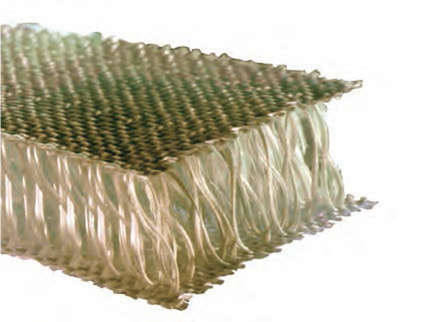
3D woven fiberglass is produced by connecting two flat woven layers with perpendicular binder yarns, creating a fabric with real thickness rather than a flat sheet. Once infused with resin, it forms a hollow sandwich structure on its own, without needing a separate foam or honeycomb core.
Why Choose It Over Flat Weave?
Traditional sandwich composite production places a foam or honeycomb core between two thin fiberglass layers — extra material and extra labor. 3D woven fabric replaces that core with its own structure: a single resin infusion forms both skins and the connecting web in one step, cutting labor and part weight while increasing bending stiffness.
Applications
3D woven fiberglass is used in boat hulls and decks, wind turbine blade components, structural panels, wave-exposed facade elements, and lightweight vehicle body parts — anywhere a high strength-to-weight ratio matters.
Frequently Asked Questions
What resins work with 3D woven fabric?+
Polyester, vinyl ester and epoxy resins are all compatible, especially with vacuum infusion, where the fabric's hollow structure helps resin flow evenly.
Is 3D woven fabric more expensive than a foam-core sandwich?+
The material cost per unit is higher, but since no separate core material or extra bonding labor is needed, total production cost is often lower.