Fiberglass Mesh for Construction: Types, Weights and Applications
What Is Fiberglass Mesh?
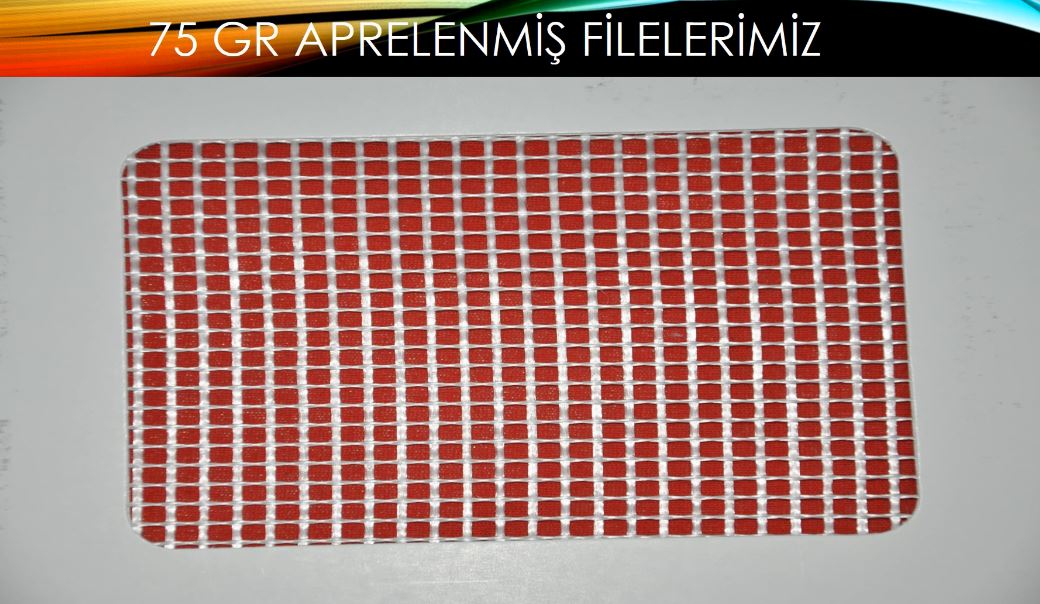
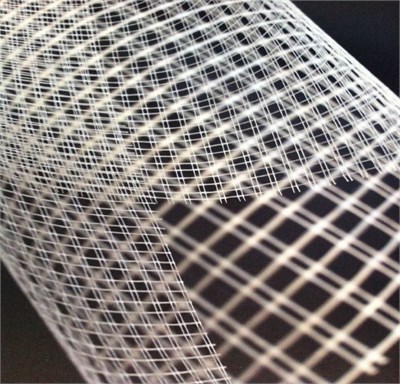
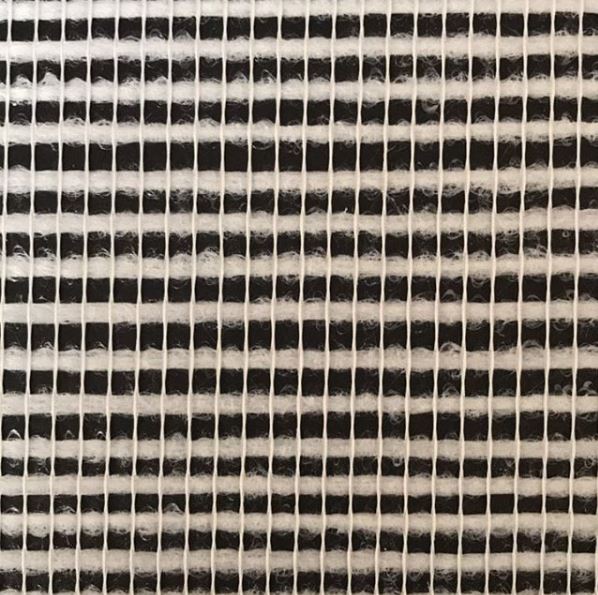
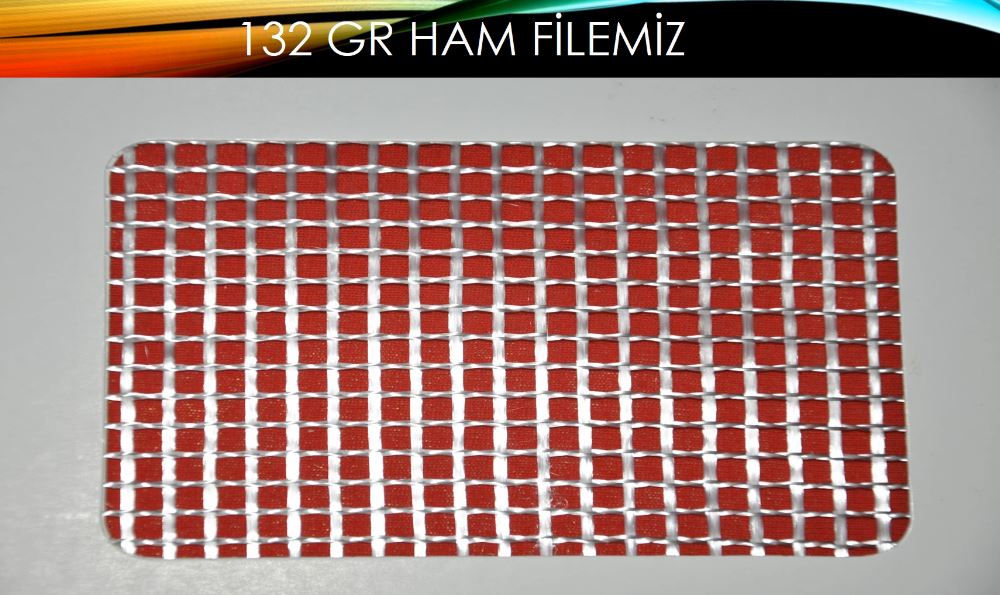
Fiberglass mesh is an open-weave fabric made from E-Glass (alkali-resistant glass) yarns, coated with an acrylic/alkali-resistant resin. The coating binds the yarns together and protects them from the high alkalinity of cement and lime-based plasters, letting the mesh retain its strength for decades once embedded in a wall system. It is the standard reinforcement used in plastering, EIFS/ETICS facade insulation systems, marble and mosaic backing, historic building restoration, and reinforced epoxy flooring.
Choosing the Right Weight (gsm) and Mesh Opening
Two parameters drive selection: weight (grams per square meter — the mesh's load-bearing capacity) and mesh opening (weave density). İMS TEKS's plaster mesh range covers 75, 145 and 160 g/m², typically at a 4×4 mm opening. Thin plaster coats and standard facade insulation call for 75-110 g/m²; surfaces with higher movement risk, or thicker plaster systems, need the 145-160 g/m² range. As a rule of thumb: the thicker the plaster and the higher the cracking risk, the heavier the mesh should be.
Marble and Mosaic Reinforcement
Thin-cut marble and mosaic slabs are prone to breakage during cutting and transport. A fiberglass mesh backing, bonded to the slab with epoxy, holds the stone together, reducing scrap during cutting and preventing the slab from falling apart in transit. This is why marble reinforcement mesh and mosaic reinforcement mesh are near-standard in the decorative stone industry.
Restoration and Floor Reinforcement
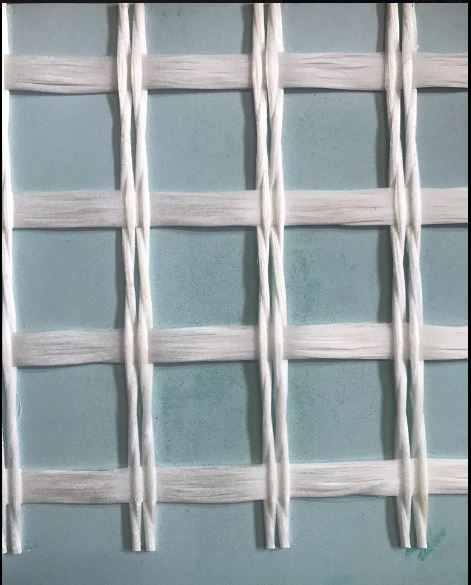
In heritage building restoration, alkali-resistant restoration mesh is embedded between plaster layers to add structural resilience without altering the original wall texture, preventing future cracking and delamination. In industrial flooring, uncoated (raw) epoxy floor mesh serves as reinforcement within epoxy floor systems — the mesh itself is not the coating, it's the embedded reinforcement that extends the floor's service life under heavy load and abrasion.
Frequently Asked Questions
What's the difference between fiberglass mesh and fiberglass woven fabric?+
Mesh is an open, lightweight lattice embedded inside plaster, epoxy or adhesive layers as reinforcement. Woven fabric is more densely woven and carries structural load on its own, typically used in composite lamination rather than as embedded reinforcement.
Does every plastering job need mesh?+
No — thin, static surfaces can be plastered without mesh. But for facade insulation systems, thick plaster coats, surfaces with movement/cracking risk, and thermal insulation systems, mesh is close to mandatory for long-term durability.
Who should decide the mesh weight?+
Weight is determined at the design stage based on plaster/system thickness and surface movement risk. If you're unsure, share your application details with the İMS TEKS team and we'll recommend the correct weight.