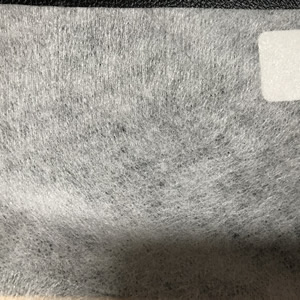
Fiberglass Surface Veil: Its Role in Composite Surface Quality
What Is Surface Veil?
Surface veil is a lightweight, low-weight (typically 25-35 g/m²) non-woven layer made from very fine fiberglass filaments. It's placed at the outermost layer of a composite layup, facing the mold surface.
Why It's Used
Surface veil prevents the coarser weave/mat pattern underneath from showing through the finished surface (fiber print-through), giving a smooth, cosmetic finish. It absorbs resin well, strengthening interlaminar bonding, and forms a thin, resin-rich film that adds chemical and corrosion resistance — critical for tanks and pipes in aggressive environments.
Applications
Surface veil is used on boat and aircraft fuselage exteriors, wind turbine blades, the interior and exterior surfaces of composite pipes and tanks, and pultruded profiles wherever cosmetic smoothness or chemical resistance is required.
Frequently Asked Questions
What resins is surface veil compatible with?+
It works with polyester, vinyl ester and epoxy resins; the right veil-resin pairing should match the application.
What happens without surface veil?+
The underlying weave or mat pattern shows through the finished surface (fiber print-through), hurting both appearance and the part's resistance to outside elements.