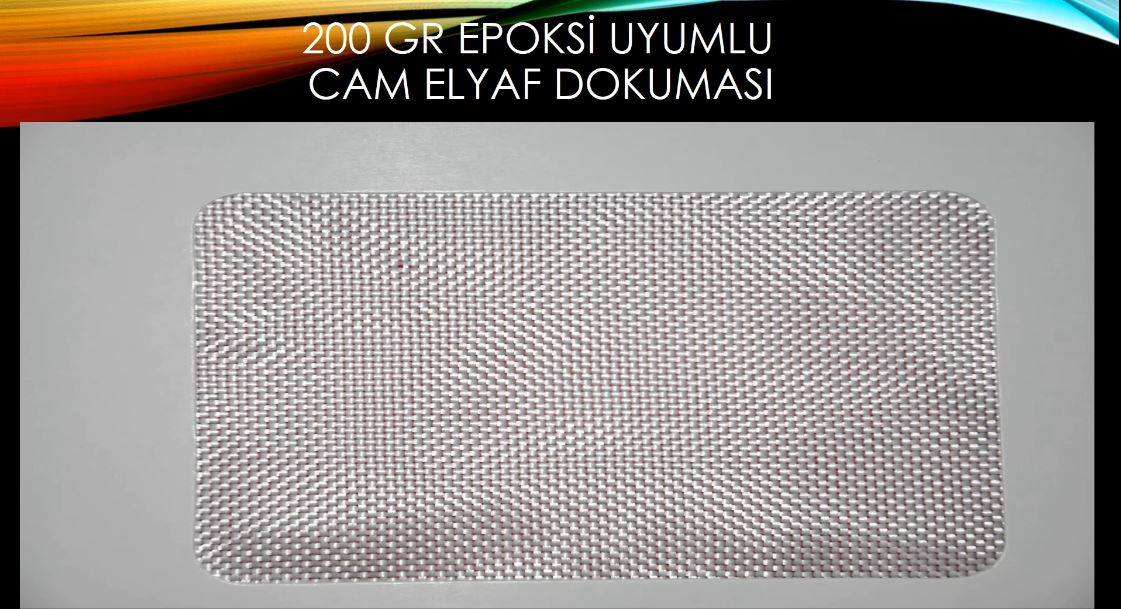
Fiberglass Woven Fabric: Choosing the Right Weight (gsm)
What Is Fiberglass Woven Fabric?
Fiberglass woven fabric is made by tightly interlacing continuous fiberglass yarns at right angles (warp and weft), giving it far higher directional strength than mat. In mat, fibers lie randomly; in woven fabric, they're aligned along specific directions — delivering much more structural strength at the same weight.
Choosing a Weight
Lighter fabrics (around 200 g/m²) suit thin laminate layers and complex mold surfaces, since they drape easily. Mid-range weights (300-500 g/m²) are a balanced choice for general-purpose composite parts. Heavier fabrics (up to 800 g/m²) build thickness and strength fast with fewer layers, ideal for large structural parts like boat hulls.
Applications
Fiberglass woven fabric is widely used in boat and yacht hulls, composite pipe and tank production, wind energy blades, automotive body panels, and structural repair/reinforcement laminates.
Frequently Asked Questions
Can woven fabric and mat be used in the same layup?+
Yes — this hybrid layup is common. Mat layers absorb resin well and improve interlaminar bonding, while woven layers add directional strength.
Does a heavier fabric cause draping problems?+
Yes, fabrics around 800 g/m² can resist draping over sharp corners or complex molds. In those cases, several lighter layers are a better choice.