
Multi-Ended Rovings (KCR): Built for Chopper Guns
What This Product Is
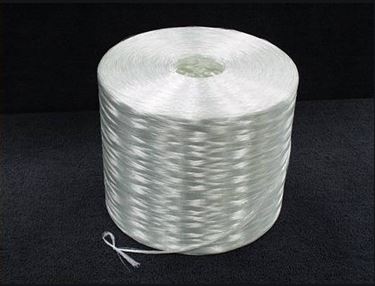
Multi-Ended Rovings (KCR) are produced from multiple fine fiberglass filament strands bundled together so they separate easily. As the name suggests, they're designed to be fed quickly through chopper guns and cut/sprayed on demand.
Why This Type Suits Chopper Guns
In chopper gun applications, it's critical that roving feeds through the machine quickly and evenly, cutting to the desired length without jamming. The KCR type's multi-end structure keeps this cut-and-spray process consistent — ideal for fast reinforcement over large mold surfaces.
Frequently Asked Questions
Can KCR roving be used for hand lamination?+
Its primary design is for machine chopping/spraying, but it can be cut and used by hand — though ready-made mat is usually more practical in that case.
How does KCR differ from standard multi-end roving?+
KCR is specifically optimized for easy separation and chopper gun compatibility; general-purpose multi-end rovings may carry different sizings for other processes, like feeding a weaving loom.
Related Products
Related Articles
Fiberglass Roving: Single-End vs Multi-End Explained
What fiberglass roving is, the difference between single-end and multi-end roving, and their roles in filament winding and pultrusion.
Single Ended Roving for Woven Applications (WR)
How WR-type single-ended roving is sized for weaving looms and why it differs from other roving types.
Single Ended Direct Roving: Filament Winding Applications
The role of WR-FWR single-ended direct roving in filament winding and pultrusion for pipe and tank manufacturing.