
Marble Reinforcement Mesh: How It's Applied
What This Product Is
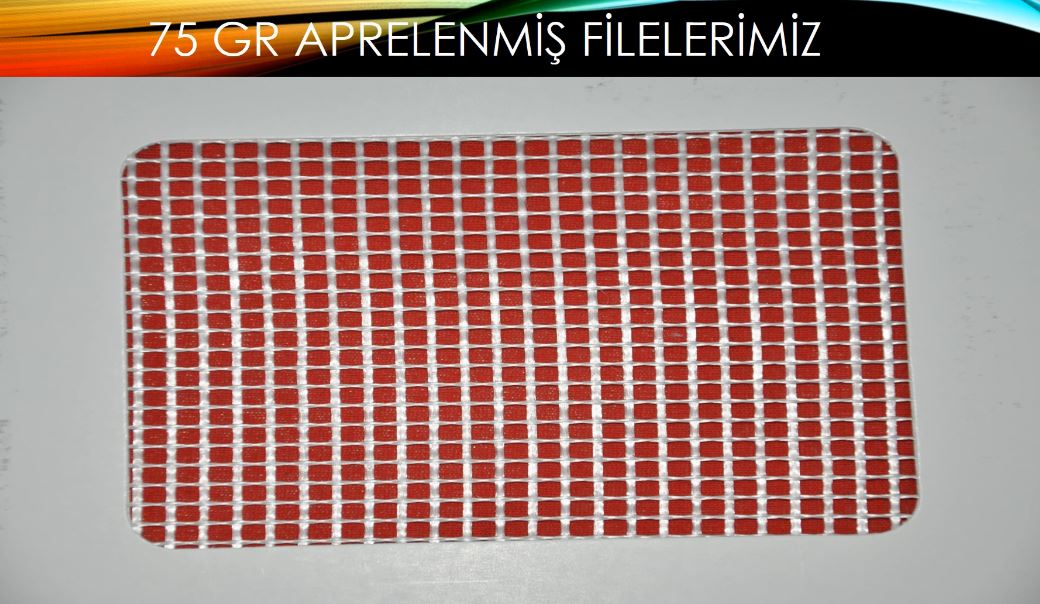
Marble Reinforcement Mesh is bonded to the back of thin-cut marble slabs with epoxy, holding the slab together during cutting and transport. It's available in 55, 75, 90 and 110 g/m² weights, chosen based on slab thickness and processing method.
Application Process and Weight Selection
A thin, even layer of epoxy is applied to the slab's back face, the mesh is pressed into it, and the assembly cures under pressure. Thinner, more fragile stone (around 1-1.5 cm) calls for a heavier mesh (90-110 g/m²), while standard-thickness slabs are usually fine with 55-75 g/m².
Frequently Asked Questions
Does every marble type need the same weight?+
No — it depends on the stone's natural brittleness and slab thickness. More fragile or thinly cut stone benefits from a heavier mesh for safety margin.
Can the slab be cut right after mesh bonding?+
No — the epoxy needs to fully cure per the manufacturer's instructions (typically a few hours) before cutting; early cutting can weaken the mesh-to-stone bond.
Related Products
Related Articles
Fiberglass Mesh for Construction: Types, Weights and Applications
What fiberglass mesh is, how to choose the right weight for plastering and facade work, and why marble, mosaic and restoration mesh exist as distinct products.
Alkali Resistant Fiberglass Mesh: Weight Guide
How to choose between 75, 145 and 160 g/m² alkali resistant fiberglass mesh for plastering and facade insulation.
Mosaic Reinforcement Mesh: For Thin-Cut Stone Pieces
How mosaic reinforcement mesh's fuzzy texture differs from marble mesh, and which weight suits which mosaic tile size.