
Mosaic Reinforcement Mesh: For Thin-Cut Stone Pieces
How It Differs From Marble Mesh
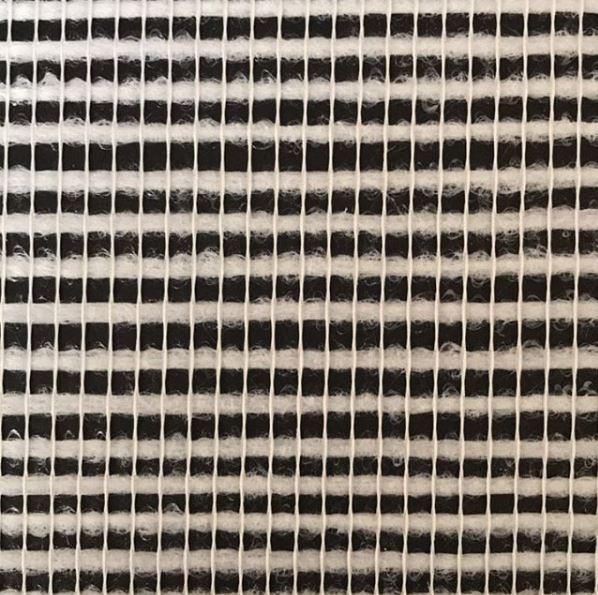
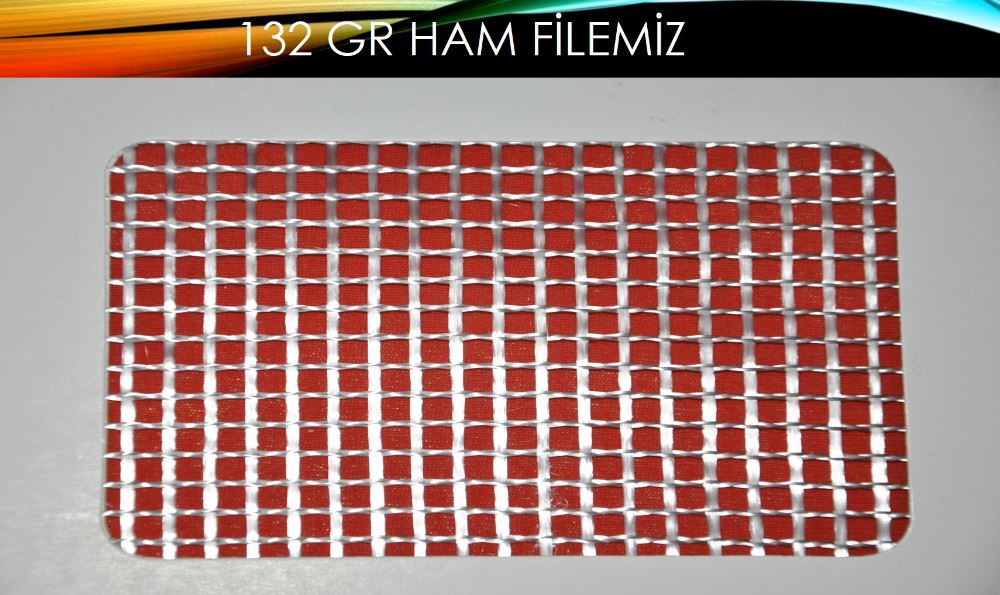
Mosaic Reinforcement Mesh serves the same purpose as marble mesh — holding stone together — but is produced with a "fuzzy" textured surface. This texture helps small mosaic pieces grip the epoxy better, strengthening the mesh-to-stone bond on small-format cuts.
Choosing a Weight
Available in 90 and 110 g/m². Standard mosaic sizes (e.g. 2.3×2.3 cm, 4.8×4.8 cm) typically work well with 90 g/m², while smaller or thinner-cut mosaic pieces call for 110 g/m² to reduce the risk of pieces breaking apart.
Frequently Asked Questions
Can mosaic mesh replace marble mesh?+
Technically yes, but since the fuzzy texture is optimized for small mosaic pieces, standard marble reinforcement mesh is more economical for large slabs.
What epoxy types work with mosaic mesh?+
Standard two-component epoxy adhesives used in the stone/mosaic industry; follow your epoxy supplier's recommended cure time.
Related Products
Related Articles
Fiberglass Mesh for Construction: Types, Weights and Applications
What fiberglass mesh is, how to choose the right weight for plastering and facade work, and why marble, mosaic and restoration mesh exist as distinct products.
Marble Reinforcement Mesh: How It's Applied
The 55-110 g/m² weight range of marble reinforcement mesh, the epoxy bonding process, and how it prevents breakage during cutting and transport.
Alkali Resistant Fiberglass Mesh: Weight Guide
How to choose between 75, 145 and 160 g/m² alkali resistant fiberglass mesh for plastering and facade insulation.